The Psychology Behind the Tease
Slot machine near miss mechanics are not accidental. They are engineered. The reel strips, the virtual reel mapping, and the RNG timing all conspire to land a jackpot symbol one notch above or below the payline with surgical precision. This is not luck. This is psychological manipulation at the firmware level, and it works because your brain cannot distinguish between a near miss and a genuine win at the neurological level.

Here is the brutal truth the industry does not advertise. The near miss effect triggers the same dopamine pathways as an actual payout. Functional MRI studies on gamblers show the ventral striatum lights up almost identically whether you hit three cherries or two cherries and a blank. The machine knows this. The math team knows this. The near miss frequency is not random — it is calibrated to keep you seated, keep you feeding bills, and keep you convinced the next spin is the one.
How the Algorithm Weaponizes Your Own Brain
Modern slot machines use what insiders call "frustration weighting." The RNG does not just pick outcomes — it picks outcomes that are emotionally sticky. A near miss on a progressive jackpot symbol is worth more to the house than a small win, because the small win cashes out and you leave. The near miss keeps you in the chair. The reel strip design is no accident either. If the jackpot symbol appears three times on reel one but only once on reels two and three, the visual frequency of "almost" is artificially inflated. This is pure slot machine near miss engineering, and it is legal in almost every jurisdiction because it does not alter the return-to-player percentage.
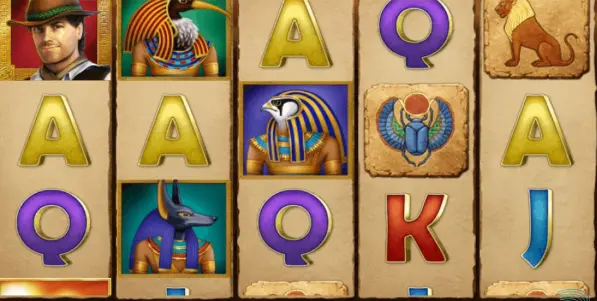
The kicker? The near miss rate on some machines exceeds 40% of all losing spins. That means nearly half the times you lose, you lose in a way that looks like you almost won. The hardware does not care about your bankroll. The algorithm does not care about your rent. The only thing that matters is time-on-device, and the near miss is the most efficient tool ever devised to extend it.
The Hardware Edge
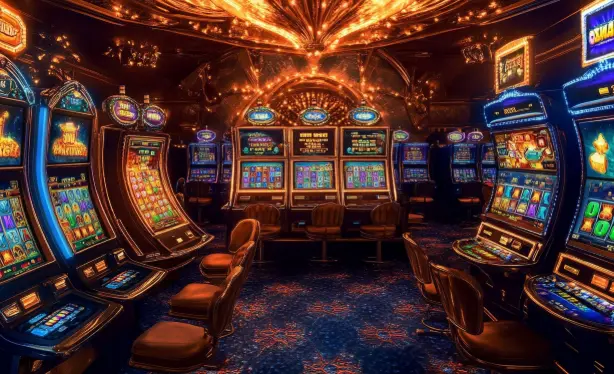
Do not blame the software alone. The physical cabinet plays a role too. The spin animation is slowed down just enough on the final reel to let the jackpot symbol crawl past the payline. That half-second pause is deliberate. Game designers call it "the tease," and it is tested in focus groups before a single machine hits the casino floor. The sound design reinforces it — a rising chime when the jackpot symbol appears, a deflating thud when it drops below the line. Your senses are being played like a piano. 🎰
If you want to survive this, stop trusting your gut. The near miss is not a signal. It is a script. The machine is not warming up. It is reeling you in. Every flash, every chime, every "almost" is a line of code written by someone who knows exactly how your brain responds to almost winning.