Wayfinding Signage: How Navigate?
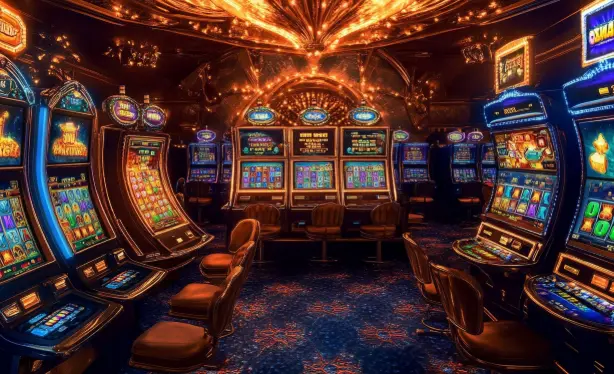
Wayfinding signage fails the moment a player loses orientation inside a gaming floor, and that single moment of confusion costs the house more than any broken slot machine ever will. The mechanics behind wayfinding signage are not decorative—they are a behavioral control system, and if you treat them as interior design, your floor traffic collapses into dead zones. I have walked thousands of casino floors, and the ones that bleed revenue always share the same flaw: signage that assumes the guest already knows where they are going. 😤

The Cognitive Load Threshold Nobody Talks About
Human spatial memory degrades fast in windowless environments with low ceilings, flashing lights, and no natural anchor points. A casino floor is a sensory assault by design, which means wayfinding signage has to compensate for a brain that is already overloaded. The rule is brutal and simple: a guest must be able to identify their next decision point within four seconds of looking up. Miss that window and they default to the path of least resistance—usually the nearest exit or the nearest bar, not your high-margin pit. The signage system must operate on a strict hierarchy: overhead directional boards at major intersections, mid-level zone markers, and floor-level cues for immediate orientation. Break the hierarchy and you get what I call signage noise—too many competing messages that the brain simply filters out.
Placemaking and the Illusion of Control
Here is where the amateurs get it wrong. They think wayfinding is about arrows and room names. Real operators know it is about placemaking—distinct visual identities for each zone that let a guest build a mental map without ever reading a word. Give the high-limit area a different ceiling treatment, a different carpet rhythm, a different light temperature. Suddenly the guest navigates by feel, and that feeling is engineered. When wayfinding signage aligns with placemaking, you can steer traffic toward the tables you want filled and away from the ones you want to keep quiet. That is not navigation. That is choreography. 🎯

Digital Wayfinding and the Latency Trap
Interactive kiosks and digital directories sound brilliant until you audit the latency. A touchscreen that takes two seconds to respond feels broken to a guest who is already overstimulated. I have seen properties install gorgeous digital wayfinding panels and then watch usage drop to near zero because the interface stuttered. Hardware matters: capacitive touch with sub-100ms response, redundant network paths so the map never loads a spinner, and a fallback static sign for every digital panel. The moment a digital directory goes down, the guest does not wait—they wander, and wandering is the enemy. Zone-based beaconing through mobile devices can supplement the system, but only if the property app already has adoption above forty percent. Below that threshold, you are building for ghosts.
Compliance, Sightlines, and the Physical Audit
Every wayfinding system must be audited from the guest's actual eye level, not from a CAD drawing. Walk the floor at peak occupancy and at 3 a.m. The sightlines change completely. Signage that reads perfectly in an empty room disappears behind a bank of machines or a queue rope once the floor fills. Mounting height, contrast ratio, and font weight all interact with ambient light in ways that render mockups useless. Then there is the compliance layer: emergency egress signage must remain visible and unobstructed regardless of how you arrange promotional displays. I have watched properties get cited because a temporary banner covered an exit marker—a five-figure penalty for a ten-dollar mistake. The physical audit is non-negotiable, and it must happen quarterly, not annually. 📋
The final variable is maintenance cadence. A burnt-out light on a directional board does not just look bad—it creates a navigation gap that sends guests down the wrong corridor. Fleet-wide LED monitoring with automated work orders keeps the system honest, and anything less is a slow-motion failure of the entire wayfinding signage investment.