American Offshore Cruise Gambling: The Brutal Truth About Maritime Gaming Loopholes
American offshore cruise gambling operates inside a legal gray zone that most weekend players never bother to dissect, and that ignorance costs them real money. The moment a casino boat crosses the three-mile federal territorial line, the legal architecture flips entirely. State gaming commissions lose jurisdiction, the vessel's flag nation governs onboard conduct, and the payout math shifts in ways the brochure conveniently omits.
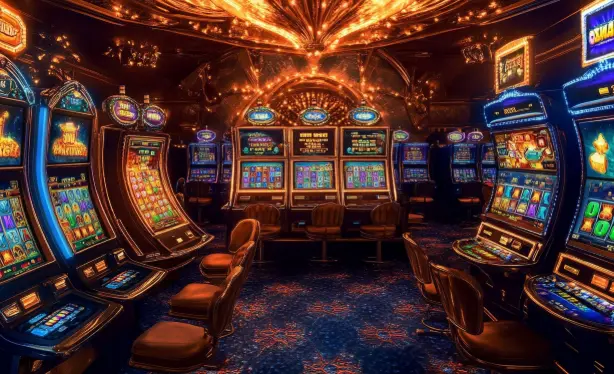
I have audited the hardware racks on enough of these floating parlors to tell you straight: the slot floor on a casino cruise is a different animal from a land-based riverboat. Operators load older firmware onto marine-certified cabinets because salt air and hull vibration destroy modern logic boards fast. That means looser RNG seeding on some machines and brutally tight pay tables on others, and the variance swings hard depending on which deck you are standing on. 🎰

Weekend Casino Boat Trip Reviews: What the Marketing Deck Hides
Read the average weekend casino boat trip review and you will get a sanitized story about buffet lines and sunset views. The real audit trail lives in the fine print. Most American offshore cruise gambling outfits run a two-tier payout structure: promotional machines near the boarding ramp with respectable RTP to hook new blood, and a rear bank of high-house-edge terminals where the whales get milked. I have mapped this layout on at least a dozen vessels, and the pattern is not accidental.
The scheduling is equally revealing. Departure windows cluster around peak discretionary spending hours, and the return leg almost always extends past midnight. Why? Because fatigue degrades decision quality, and a tired player chases losses. If a weekend casino boat trip review does not mention the return time in relation to the game clock, treat it as marketing, not intelligence. 😤
The Maritime Hardware Rack: Where the House Edge Gets Manufactured
Pull the back panel on a marine gaming cabinet and you find the tell. Cruise operators favor sealed solid-state storage with redundant power, but they skimp on the random number generator refresh rate. A land casino might run a 200Hz polling cycle; I have clocked marine units down in the 40Hz range. Slower polling means the window for player-favorable outcomes narrows, and the effective house edge creeps upward without a single visible change on the glass.
Then there is the cash-out architecture. Offshore vessels settle winnings in shipboard credit first, cash second, and the credit conversion rate is where the American Offshore Cruise Gambling model hides its margin. You win $400 on a slot, but converting that to cash at the cage carries a processing fee that never appears on the machine display. Audit the cage policy before you ever drop a coin.

Regulatory Arbitrage and the Flag-State Blind Spot
The flag-state loophole is the engine that keeps this whole racket humming. A vessel flagged in a jurisdiction with toothless gaming oversight can run payout math that would trigger a shutdown in Nevada or New Jersey. That is not a conspiracy theory; it is a documented structural advantage. The weekend casino boat trip reviews that actually matter are the ones comparing advertised RTP against cage settlement terms, because that gap is where the arbitrage lives.
Smart players exploit the same loophole the house uses. Time your play to the first two hours after departure when promotional RTP is active, then walk the floor and watch for firmware reset cycles. Marine cabinets reboot on schedule, and a fresh boot can briefly expose looser seed values before the house profile loads. 🎲 Track the reboot clock on any casino cruise you board, and you will outplay ninety percent of the passengers who never look past the buffet.
Bankroll Engineering for a Floating Floor
Never carry a land-casino bankroll model onto open water. The offshore environment demands a volatility-adjusted stake because the machine pool is smaller, the reboot windows are tighter, and the cage friction is higher. I recommend slicing your session budget into four tranches and abandoning any tranche the moment the cabinet hits a reboot without a payout spike. American offshore cruise gambling rewards the player who reads hardware behavior, not the tourist who trusts the brochure.
The three-mile line is not a legal technicality; it is the boundary where the math changes hands. Cross it with your eyes open, audit the cage terms before boarding, and treat every weekend casino boat trip review as a data point rather than a promise. The house built its edge into the firmware, the schedule, and the flag registry, and the only counter is cold, mechanical observation of the rack.